Oracles and Real-Time Pricing: The Latency Tax on RWA
A tokenized asset is only as real as its price feed. Oracle latency is a hidden tax on every RWA transaction — and the difference between stale and live data is the difference between safe and sorry.
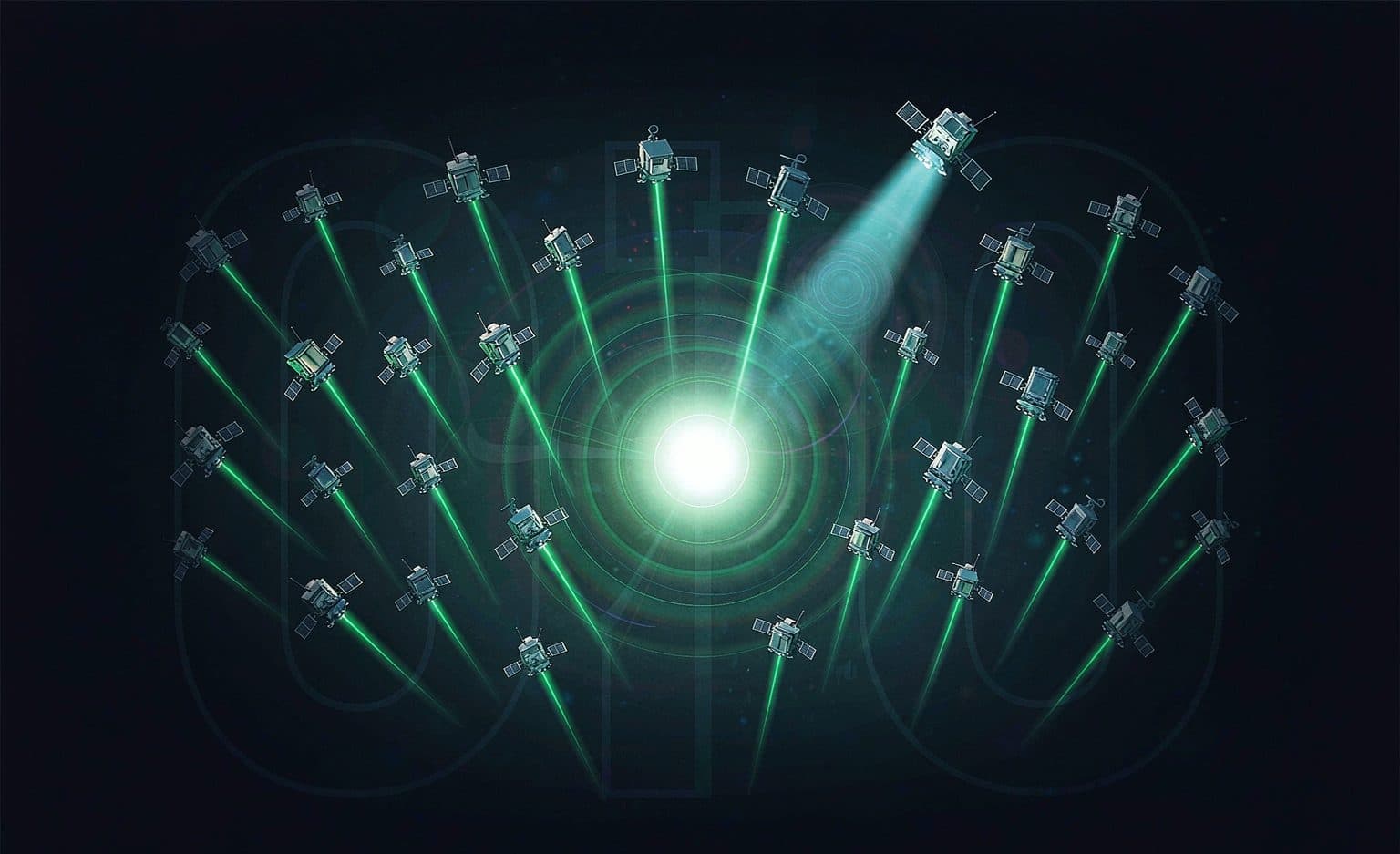
A tokenized Treasury is not magically real. Its reality depends on a price feed that connects the on-chain token to the off-chain asset it represents. That feed is an oracle — and oracles have latency.
The latency tax
Every RWA transaction that relies on a price does so with some delay. If the feed updates every few seconds, there is a window where the on-chain price is stale. In calm markets that window is harmless. In volatile markets it is an arbitrage vacuum and a liquidation risk.
This is the latency tax: you pay it invisibly, in the gap between the world moving and your contract knowing it moved.
Why "good enough" is not good enough
RWA pricing often blends sources — an index here, a NAV there, a custodian report elsewhere. Each source has its own cadence. The slowest source sets the effective speed of the whole asset. A tokenized fund whose NAV updates daily is, for settlement purposes, a daily-speed instrument no matter how fast the chain is.
Design patterns that cut the tax
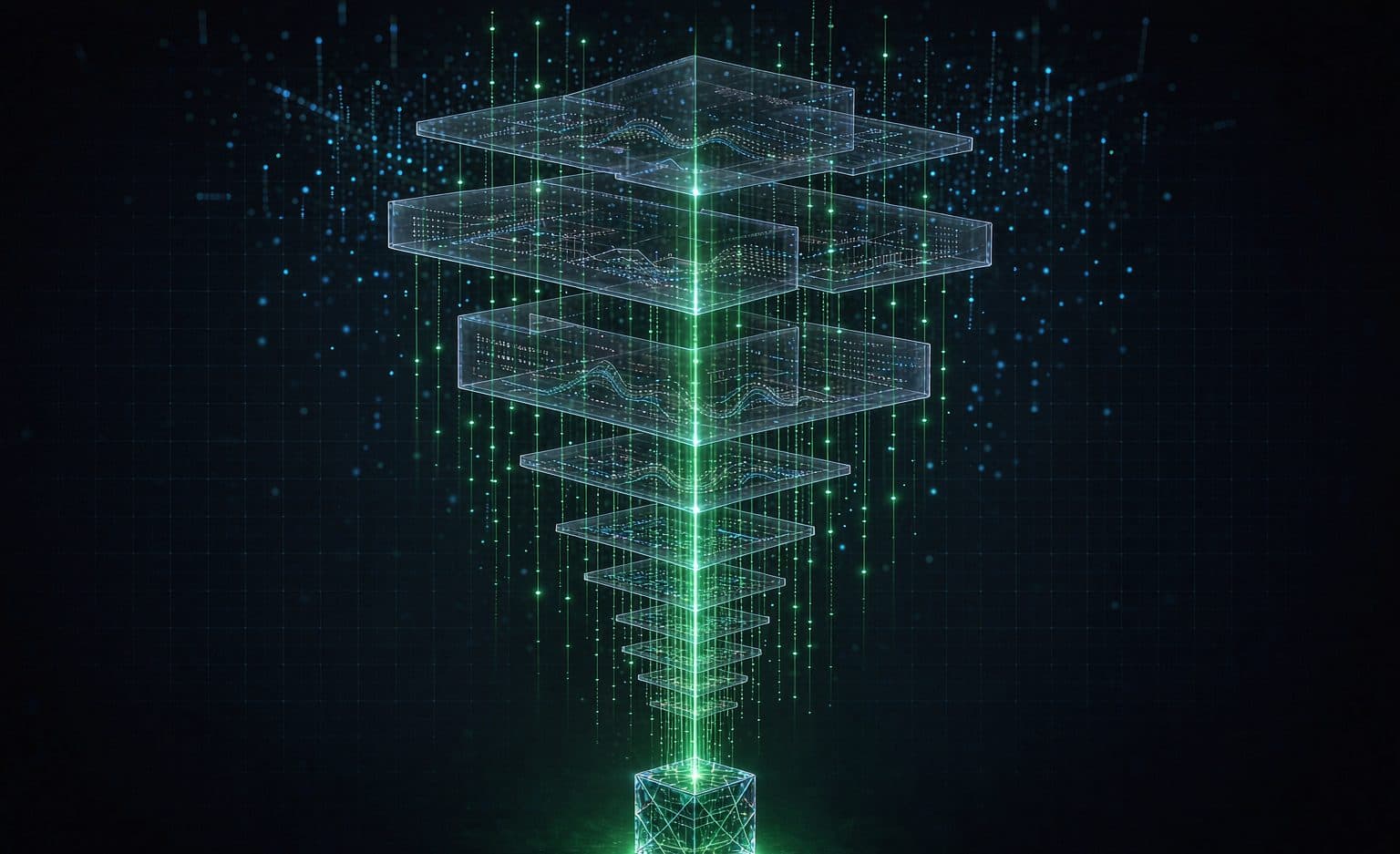
- Use low-latency primary feeds for anything traded, and treat slow NAV-style feeds as reference only.
- Stamp and verify freshness on-chain so contracts can reject stale prices explicitly.
- Plan for divergence — define what happens when feeds disagree, before it happens.
The takeaway
The chain can be instantaneous. The asset cannot be faster than its oracle. SpeedRWA's rule: measure your RWA by the slowest input in its pricing path, not by the block time of the chain it lives on.
Related analysis
 Infrastructure
 Analysis
The Settlement Speed Premium: Why RWA Will Be Won in Milliseconds
 Stablecoins